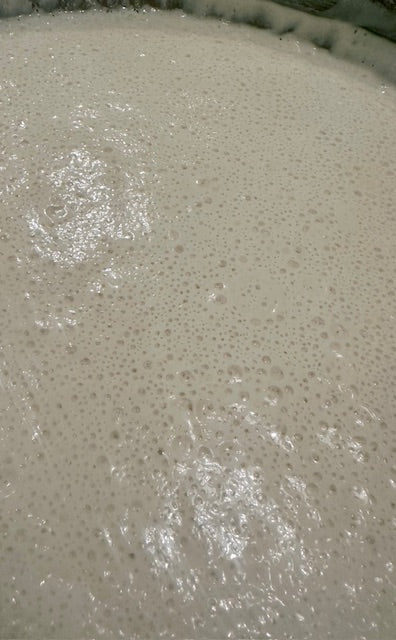
Sour Dough Starter in Glass Mason Jar 250 ML.
Sour Dough Starter in Glass Mason Jar 250 ML.
Couldn't load pickup availability
A sourdough starter is a living culture — a simple mixture of flour and water brought to life through wild fermentation.
Within this culture, naturally occurring yeast and beneficial bacteria work together, slowly transforming flour into a fermented, living food. With time, care, and regular feeding, your starter becomes a resilient, self-sustaining part of your kitchen.
What you’ve received is an active, established starter — not dehydrated, not from scratch — ready to be fed, used, and woven into your everyday baking.
Why Bake with Sourdough
Traditional Fermentation
Sourdough is made the way bread was always meant to be — slowly fermented, allowing time to transform and develop.
Improved Digestibility
The fermentation process helps break down grains, making them easier for the body to process.
Naturally Occurring Nutrients
Through fermentation, sourdough may contain:
Vitamins:
B vitamins including B1, B2, B3, B6, and folate
Minerals:
Magnesium, potassium, iron, zinc, and calcium
Organic Acids:
Lactic acid and acetic acid created during fermentation
Enzymes:
Naturally formed during fermentation to help break down starches and proteins
Wild Yeasts & Beneficial Bacteria
A living ecosystem unique to your home and environment
Simple, Real Ingredients
Just flour, water, and time — no commercial yeast required
A Return to Slow Living
Sourdough baking reconnects you to traditional rhythms — feeding, observing, and creating food with intention.
Taking It One Step Further: Sprouted Grains
For those wanting to go deeper into traditional food preparation, sourdough pairs beautifully with sprouted grains such as wheat berries, lentils, and other ancient grains.
Sprouting begins the life cycle of the seed, while sourdough fermentation continues that transformation — creating a bread that is deeply rooted in traditional methods of preparation.
This combination is often used to make dense, nourishing loaves inspired by traditional sprouted grain breads, sometimes referred to as “Ezekiel-style” bread.
It’s a simple way to bring together two time-honoured processes — sprouting and fermentation — into something truly wholesome and satisfying.
What You’ll Receive
- An active, established sourdough starter
- Ready to feed and use
- A living culture that can be maintained indefinitely with proper care
This is not something you start — it’s something you continue.
How to Feed & Care for Your Starter
Your starter is very low maintenance and designed to fit into real life.
Refrigerator Storage (Most Common)
Keep your starter in the fridge and feed it about once a week.
Even if left longer — weeks or even months — it can be brought back to life by returning it to room temperature and feeding it once or twice.
Typical Feeding Ratio
1 part starter : 1 part flour : 1 part water
Before Baking
Remove from the fridge, feed, and let sit at room temperature until bubbly and roughly doubled in size.
Signs It’s Ready to Use
- Bubbly throughout
- Doubled in size
- Light, airy texture
What is “Discard”?
When feeding your starter, a portion is often removed to keep the culture balanced.
This “discard” is not waste — it’s one of the most useful parts of sourdough baking.
Ways to Use Your Starter
Active Starter (Freshly Fed)
- Traditional sourdough bread
- Artisan loaves and boules
- Pizza dough
- Focaccia and flatbreads
Discard (Unfed Starter)
- Blueberry pancakes
- Waffles
- Pizza crust
- Crackers
- Muffins and quick breads
- Biscuits
This is where sourdough becomes part of everyday life — simple, versatile, and deeply nourishing.
Simple Tips
- Use glass or food-safe containers
- Stir with wood or stainless steel
- Filtered water is best
- Consistency matters more than perfection
Natural Variation
Your starter will change over time — this is normal.
It may smell tangy, slightly sweet, or mildly sour depending on feeding and environment.
A layer of liquid (called “hooch”) simply means it’s hungry — pour off or stir in, then feed.
A Final Note
With proper care, your sourdough starter can last a lifetime — growing, adapting, and becoming part of your home’s rhythm.
You’re not just baking bread.
You’re continuing a tradition.